






















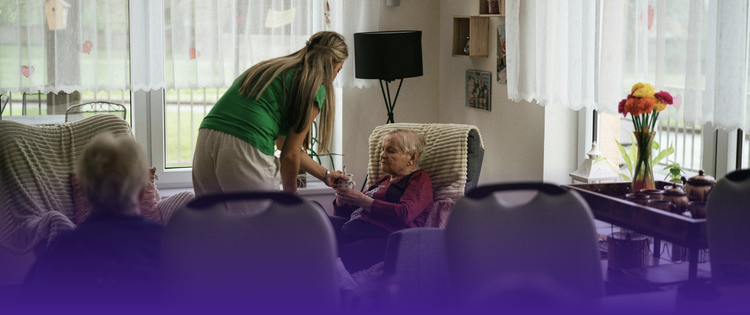
Clece Care Services’ mission is to deliver exceptional and personalised care to our service users, enhancing their quality of life, independence, and dignity. To deliver the highest quality of care, there must be trust between care staff and service users. We understand that accepting support can be daunting, many feel like they are losing their independence and understandably struggle accepting a stranger into their home.
Our team’s made up of hard working care assistants who understand our service users struggles. With this they reflect that understanding in the care they provide. Listening to our service users, understanding their needs, what they’re comfortable with and seeing them as an individual is all part of ensuring they receive the highest standard of care.
How Listening Impacts Our Care
We provide a wide range of services with every care plan tailored to each individual’s needs and listening is at the heart of each. While listening appears easy, genuine listening is the key to complete understanding, this is what represents true care.
Listening Ensures trust and respect
Care often involves service users being seen in vulnerable states. Trust and respect are the foundation that ensures our service users don’t feel vulnerable. Consequently, listening makes sure our service users feel seen, valued and understood. With this a safe environment is created, meaning service users also feel comfortable to express any concerns and share their needs openly.
Improving Emotional Well-being
Many associate ‘care’ with only physical needs however this is not the case. When caring for our service users, we also care for their mental health needs. Because many of our service users are isolated, their carer could be the only person they see each day. This makes listening even more important, as social interaction is a key part in maintaining a good mental health. Whether they’re reminiscing their past or having a chat about the weather, listening validates their feelings, making them feel seen and providing a sense of comfort.
Preventing Misunderstandings
Misunderstanding can lead to mistakes and possibly safety risks. By listening our carers understand any preferences or concerns service users have. From that understanding, actions can be done correctly, improving overall quality of care.
Better Care Decisions
By listening, a rapport is built. With this our carer’s have a better understanding of our service user’s individual personality. This can help with picking up on subtle cues such as mood changes. When noticing a change, monitor it promptly. Proactive care can prevent a small issue from turning into a bigger problem.
Supporting Independence
Many are hesitant accepting care believing it will take away their independence. Our aim at Clece Care Services is to support our service user’s independence, helping them where needed but not taking full control. Listening helps service users have a voice in their own care, promoting not only independence but dignity and respect also.
Forming Relationships Between carers and service users
A relationship between carers and service users starts with listening and over time a bon dis developed. This bond is a critical part of care as it ensures there is trust and respect which enhances the quality of care our staff are providing.
While the relationship’s needed, at Clece Care Services we make sure clear boundaries are in place to keep this relationship professional. Our carers know the correct balance between empathy and professionalism, keeping trust without compromising the integrity of care. For more information on how we achieve this read our Boundaries in Care blog.
Our Core Principles
At Clece Care Services we have six core principles that shape our care team, these include respect, transparency, empower, safety, efficiency and environment. Each principle’s achieved by listening to our service users as well as their loved ones.
We can’t thank our care staff enough for their continued hard work, as without them our high standard of care and incredible CQC score wouldn’t be possible.
For Family and Loved Ones
Listening is a key part of ensuring we can provide the best care for your loved one, but it’s important you listen to. When discussing care options make sure your loved one knows you have their best interests at heart. While doing so, take the time to really listen to their concerns and preferences. For more information about how we can support you and your loved one, contact us and we can help figure out what care is right for you.
If you are yet to speak to your loved one about care services, read our Overcoming Resistance in Care blog for advice on broaching the topic.
How to improve your listening in care
Whether you’re a care assistant or loved one, here are some practical tips to improve your listening skills:
- Be present: Give your full, undivided attention.
- Be patient: Allow time for them to express themselves with no interruptions.
- Clarify: Reflect on what you’ve heard and confirm your understanding of the issue.
- Ask open-ended questions: Try to avoid yes or no questions to receive more detail and understand further.
See Also










Our partners & accreditations