







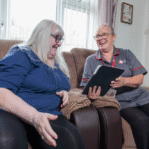














Recognising and Responding to Depression in Older Adults: Supporting those who supported us
Did you know that over 20% of adults aged 60 and over suffer from a mental or neurological disorder? Depression is often thought of as a natural part of aging and is something many older adults experience, often quietly and unnoticed. At CCS, we understand how emotional well-being shapes a person’s overall health, independence and quality of life. Recognising depression in older adults is the first important step to understanding and helping to improve this person’s quality of life.
Whether you’re a part of our care team, or a loved one looking for guidance, we want to support you and guide you on how to best support those struggling.
Recognising Depression in older adults
Why depression often goes unnoticed in older adults
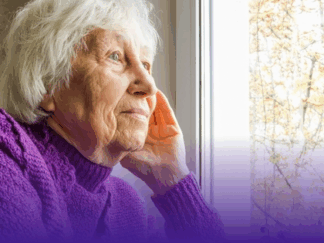
Depression is often displayed differently in older adults in comparison to younger people. Many people also hesitate to talk about their negative feelings with the fear of being a burden.
We encourage you to look beyond your assumptions and pay more attention to the more subtle changes.
Common Signs of depression in older adults
Recognising depression in older adults doesn’t have to be difficult, if you know what to look for. Signs of depression can come in emotional, behavioural and physical forms. We know all our service users are individuals, which is reflected in their personalised care plans, because of this we know that signs of depression vary from person to person.
Emotional Changes
- Persistent sadness
- Increased anxiety
- Quite irritable
- Expressing feelings of worthlessness or hopelessness
- Feelings of guilt
Social & Behavioural Changes
- Loss of motivation
- Withdrawing from family and friends
- Less interested in hobbies or previously enjoyed activities
- Difficulty concentrating or making decisions
Physical Changes
- Sleeping a lot more or a lot less than usual
- Changes in appetite and weight fluctuating
- Lack of energy
- Frequently complaining about aches and pains
- Decline in personal care (e.g. bathing or keeping their home tidy)
Cognitive Changes
- Memory problems
- Confusion
- Slower thinking (in compared to their usual self)
Several of these symptoms may be confused with symptoms of dementia. These changes can be worrying, but with the right support depression is treatable at any age.
Common Causes of depression in older adults
Like their symptoms, the triggers that can start or enhance a person’s depression are always unique. The common triggers in older adults include:
- Bereavement
- Loneliness or social isolation
- Reduced mobility or independence
- Major life transitions (retirement or adjustment to needing care)
- Medication side effects
Understanding the cause is often helpful in deciding how to respond and support your older adult.
How to respond
Responding As a professional care worker
- Observe and look out for any emotional, behavioural or physical changes
- Make notes of any changes you have found during your care call
- Help build and retain their routine
- Encourage involvement and promote physical activity where possible
- Provide companionship during visits
- If extra concerned, contact the office, their GP or social worker
Responding As a loved one
- Offer reassurance, letting them know they’re not a burden
- Start a gentle conversation to ask them how they’ve been feeling
- Visit them more or encourage them to see friends or engage in hobbies
- Consider extra support, such as domiciliary care
- Seek support through professional help
When to seek urgent support
Contact their GP is the older adult is doing any of the following:
- Expressing thoughts about self-harm
- Stops eating or drinking
- Starts to withdraw completely
- Talks about wanting to end their life
How we can support you
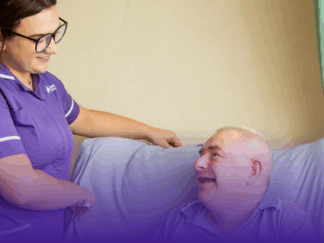
At CCS, our care workers are trained to recognise changes in our service users behaviour or attitude. ‘Care’ doesn’t just refer to the physical duties that our team carry out, but also the companionship and emotional support our staff provide to ensure your loved ones are well both physically and emotionally. If you’re worried about someone you care for, we’re here to offer guidance, reassurance and practical support at home.
See Also





Our partners & accreditations